
Strategic Stabilization and Recovery Plan
August 2026 – December 2027
Executive Summary
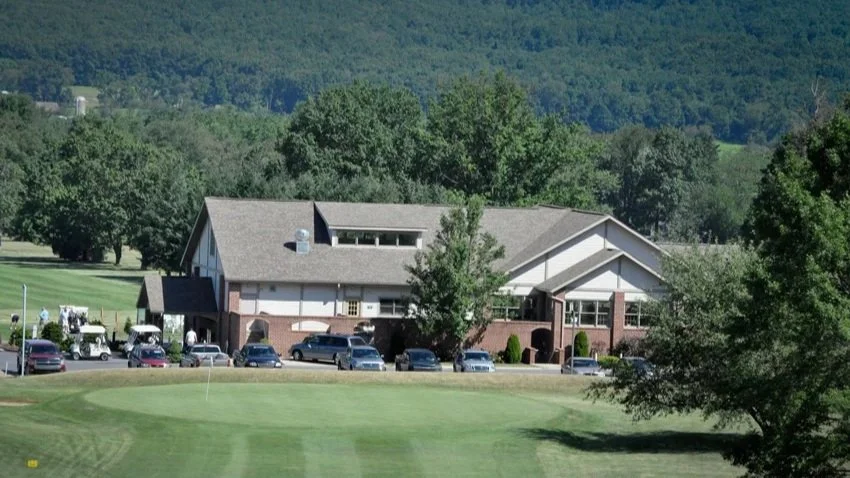
Nittany Country Club is at a critical point in its history. The Club is experiencing significant financial challenges, declining membership confidence, and operational inefficiencies that threaten its long-term sustainability.
This Strategic/Recovery plan was designed after several months of review, evaluation, and meetings with subject experts, present and past club members. The persons who have consulted on the effort as subject experts are as follows: Greg Kight, Scott King, Jeff Krauss, Greg Nue, Mike Negro, Adam Rawding, and Linda Workman. An in-depth evaluation was completed by Scott King of our operation. Many of the Strategic Goals in this plan come from recommendations made by Scott.
The Board of Directors must adopt a unified strategic plan and commit to executing it consistently over the next eighteen months. Success will require disciplined financial management, improved governance, greater transparency with the membership, and increased volunteer participation.
The primary objective during the first six months is simple: Stop the financial losses while rebuilding member confidence.
The second objective is to position the Club for sustainable long-term growth through improved management, stronger financial controls, expanded member engagement, and enhanced food and beverage operations.
Strategic Goal 1
Achieving Immediate Financial Stability
Leadership is strongly encouraged to help form committees to complete each of the following recommendations.
Timeline: July–2026
The Board’s highest priority is to eliminate unnecessary operating losses and restore financial discipline. To start the process, the following recommendations are just a foundation for regaining financial stability. Ongoing supervision with tight fiscal control is imperative. The Board must be able to react quickly to changing circumstances while remaining committed to the financial recovery framework.
Recommendations for the Board to consider immediately.
Temporary Food Service Operations
Enter into an agreement with Linda Workman to provide temporary food service through October 31, 2026.
Utilize a limited buffet-style menu and reduced operating hours designed to minimize labor costs while maintaining member services.
Having food trucks supply food for one or two nights per week.
Kitchen Operations
Eliminate the current kitchen staffing structure as soon as possible as part of the transition to temporary food service.
Evaluate staffing needs following the completion of the temporary operating period.
Start booking events for 2027 for the Nittany CC banquet area.
During the month of August, set up a temporary concession stand at the pool.
Membership Accounts Receivable
Establish a committee responsible for collecting approximately $47,000 in outstanding membership accounts.
Develop payment plans when appropriate.
Report on the collection progress monthly to the Board.
Inventory Control
Conduct an immediate physical inventory of:
Alcohol
Food
Kitchen supplies
Establish baseline inventory values for future financial reporting.
Weekly Financial Controls
Implement weekly reporting for:
Food purchases
Beverage purchases
Food cost percentage
Beverage cost percentage
Inventory variances
Sales by department
Hire a management person to make sure this is done.
The objective is to provide accurate operating data for management decisions.
Strategic Goal 2
Evaluate Food and Beverage Business Model
We have had the present operation evaluated by Scott King. Many of Scott’s recommendations are included in the Strategic Planning Committee’s recommendations in this document.
During the transition period to a new food service model, the Board should determine the most financially sustainable long-term operating model.
Areas that have been evaluated include:
Continuing self-operated food service
Contracting with an outside food service operator
Hybrid operating models
Catering partnerships
Liquor license alternatives
Recommendation:
The club should terminate the existing kitchen staff as soon as possible.
Have Linda Workman provide an abbreviated buffet-style menu on specified days of the week.
Have Linda handle Bouquets and other special events, including tournaments
Enter a search for a third-party vendor to take over the restaurant portion of Food service.
Use local food trucks to provide food service once or twice a week.
Engage membership in recovery.
Strategic Goal 3
Restore Confidence in Club Leadership
The Board must improve communication, transparency, and accountability with the membership.
There are two Recommendations from the Strategic Planning Committee:
Membership Meeting
The Recommendation of the Strategic Planning Committee is to hold an All-Membership Meeting during the first week of August 2026 to:
Present the Club’s financial condition.
Explain the causes of current challenges.
Present the Strategic Recovery Plan.
Answer members’ questions.
Encourage volunteer participation in Recovery. Opportunities should be made available during this meeting for members to sign up for committees led by Board Members.
Membership Committee: drive for new members, orientation and welcoming committee for new members, oversight of different levels of membership, and make recommendations to the board on cost and amenities.
Capital Fund Drive Committee to sponsor the establishment of a Capital Fund to be established along with a policy on how those funds are to be collected, invested, and spent.
Pool Membership Committee to continue to establish new features in our pool area to continue to attract members after the community pool opens. The management of the pool has been well done, and the work of maintaining the pool mechanics is a large job. Forming a committee could help with these duties and support new ideas.
Governance Improvements
The Board will commit to:
Eliminating individual Board members making hiring decisions without Board approval.
Eliminating individual Board members authorizing expenditures outside approved budgets.
Requiring major financial decisions to receive Board approval.
Establishing clear authority between the Board, General Manager, and department leadership.
Strategic Goal 4
Improve Club Management
Recommendation is to Hire a General Manager
The Club should recruit a qualified General Manager responsible for:
Daily clubhouse operations
Coordination of all departments
Budget oversight
Staff supervision
Financial reporting and supervision
Communications with members
Event coordination
Membership services
The General Manager should serve as the primary operational leader, while the Board focuses on governance and long-term planning.
Strategic Goal 5
Expand Member Services During Transition
While permanent food service solutions are being developed, the Club should continue providing social opportunities.
Recommendations: Establish a committee to conduct a search for and negotiate food trucks as an alternative food service during the remainder of 2026.
Negotiate agreements with local food truck vendors to provide food service at least two evenings each week.
Maintain an active clubhouse atmosphere while reducing operational expenses.
Strategic Goal 6
Evaluate Liquor License Options
Pennsylvania has created special golf course liquor licenses that are different from the traditional Club Liquor License. The differences are significant, particularly for a country club that may be evaluating its business model.
Club Liquor License |
Private Golf Club Liquor License (PGC) |
Public Golf Course Liquor License (PGR) |
Issued to social, fraternal, veterans, yacht, country clubs, etc. |
Issued specifically to privately owned private golf clubs. |
Issued to privately owned public golf courses. |
Alcohol service is primarily for members and their guests. |
Alcohol service is tied to the operation of the private golf club. |
Alcohol service is available to the general public using the golf course or clubhouse. |
The club must maintain membership, bylaws, elections, dues, etc. |
A golf club must meet statutory golf course requirements. |
The golf course operates as a public golf facility. |
Alcohol sales must remain secondary to the club’s purpose, golf. |
The focus is on the operation of the golf facility. |
The focus is the operation of a public golf facility. |
Club Liquor License Club (The license we presently have)
A Club Liquor License is intended for nonprofit membership organizations.
Requirements include:
Bona fide membership organization
Elected officers
Written bylaws
Membership applications and voting
Collection of dues
Regular meetings
Alcohol sales are incidental to the club’s primary purpose, not the primary business.
Private Golf Club Liquor License (PGC)
This license was created specifically for privately owned private golf clubs.
Advantages include:
Designed around golf operations.
Not dependent upon all of the traditional "club" requirements to the same degree.
Better suited for clubs whose primary business is operating a golf course.
Lower annual license fee than many other license types.
Public Golf Course Liquor License (PGR)
This license is for privately owned golf courses open to the public.
It allows:
Alcohol sales to golfers and the public.
Restaurant and bar operations similar to many semi-private or daily-fee golf courses.
It is exempt from Pennsylvania’s retail liquor license quota, making it easier to obtain than a traditional restaurant liquor license in many counties.
Food Service Requirements
For your earlier question:
Club Liquor License: There is no requirement that food be available whenever alcohol is served.
Private Golf Club (PGC): Food service is generally expected as part of the golf clubhouse operation, but the Liquor Code does not require the kitchen to be open every hour the bar is open.
Public Golf Course (PGR): Most facilities operate as restaurants or snack bars, but there is likewise no blanket requirement that a full kitchen be open whenever alcohol is served. Other health or local regulations may still apply.
What does this mean for Nittany Country Club?
Based on the work you’ve been doing on Nittany Country Club’s strategic plan, this distinction could be important.
If Nittany currently holds a Club Liquor License, the Board likely has the legal flexibility to:
Keep the bar open while closing the kitchen during slow periods.
Reduce food service hours on weekdays.
Offer only limited food (such as pre-packaged items or special event menus) during certain times.
Those operational decisions are generally business decisions rather than liquor-license requirements, provided the club remains compliant with the Pennsylvania Liquor Code and its own governing documents.
Areas for evaluation include:
Maintaining the current private Club License
Converting to a Private/Public Golf Club License
Financial impact
Membership impact
Public access opportunities
Revenue potential
This decision should support the Club’s long-term business model.
Recommendation:
Is to keep the Club Liquor License and to lower the cost of dining membership in 2027.
The lower membership cost for a social membership will allow the club to attract additional customers to the bar and restaurant to entice the participation of a third-party vendor.
Social membership will be an introduction to the club and a way to attract new golf members.
Change the name from dining members to social members.
Strategic Goal 7
Build an Engaged Membership
Long-term success depends upon increased member involvement.
Recommendation:
The Board should establish volunteer committees chaired by Board members but consisting primarily of non-Board members.
Recommended committees include:
Membership & Recruitment
New Member Orientation
Capital Campaign
Golf Operations
Attempt to group twosomes or singles to introduce members to new members and make play more efficient
House & Food Service
Entertainment & Social Activities
Finance
Facilities & Grounds
Communications & Marketing
These committees will provide recommendations, assist with implementation, and report regularly to the Board.
Strategic Goal 8
Prepare for the 2027 Operating Season
Recommendation:
The Calendar of Events should be established on a seasonal, quarterly basis. Keeping and marketing traditional events, and planning and implementing new events.
Develop and publish the first-quarter 2027 calendar before January 1, 2027.
Activities should include:
Cornhole League
Dart League
Trivia Nights
Music Bingo
Karaoke
Live Entertainment
Holiday Events
Golf Tournaments
Member Appreciation Events
The objective is to increase clubhouse utilization throughout the winter months.
Strategic Goal 9
Develop the 2027 Operating Budget
Recommendation:
Before the beginning of the 2027 fiscal year
Develop a comprehensive operating budget.
Establish monthly revenue goals.
Establish weekly financial performance targets.
Monitor departmental performance monthly.
Compare actual performance to budget.
Implement corrective actions when necessary.
Strategic Goal 10
Improve Marketing and Membership Growth
Recommendation:
Develop a comprehensive marketing strategy:
Golf Memberships
Creating a new member orientation committee
Social Memberships
Dining
Entertainment
Private Events
Community Outreach
Junior Golf
Member Referral Programs
Implement the three visits in a month theory
Special emphasis should be placed on increasing clubhouse utilization while attracting new members.
Performance Measures
Success of this Strategic Plan should be measured by the following outcomes:
Elimination of monthly operating losses.
Collection of outstanding membership accounts.
Balanced or improved food and beverage operations.
Increased member participation in Club activities.
Increased volunteer committee involvement.
Improved financial reporting and internal controls.
Increased membership retention and recruitment.
Successful hiring of a qualified General Manager.
Completion of a sustainable long-term food service agreement.
Adoption and implementation of the 2027 operating budget.
Conclusion
This Strategic Plan provides a roadmap for stabilizing Nittany Country Club financially while rebuilding trust among the membership. The Board’s commitment to disciplined governance, sound financial management, and transparent communication will determine the Club’s future success.
Recovery will require difficult decisions and sustained leadership. By remaining united behind this plan, engaging the membership, and focusing on measurable objectives, Nittany Country Club can restore financial stability, strengthen its operations, and position itself for long-term growth and success.